Export Packaging for Solar Mounting Structures: Protecting Racking Through Sea Freight
How solar racking and steel/aluminum components are packaged for export: bundling, corrosion protection, container loading, accessory segregation, packing lists, and what buyers should check before and after shipment.
TL;DR — Key Takeaways
- Category:
- Installation
- Reading time:
- 8 min read
- Published:
- November 20, 2026
- Topics:
- solar structure packaging · export racking freight · container loading PV · solar mounting shipping
- In short:
- How solar racking and steel/aluminum components are packaged for export: bundling, corrosion protection, container loading, accessory segregation, packing lists, and what buyers should check before and after shipment.
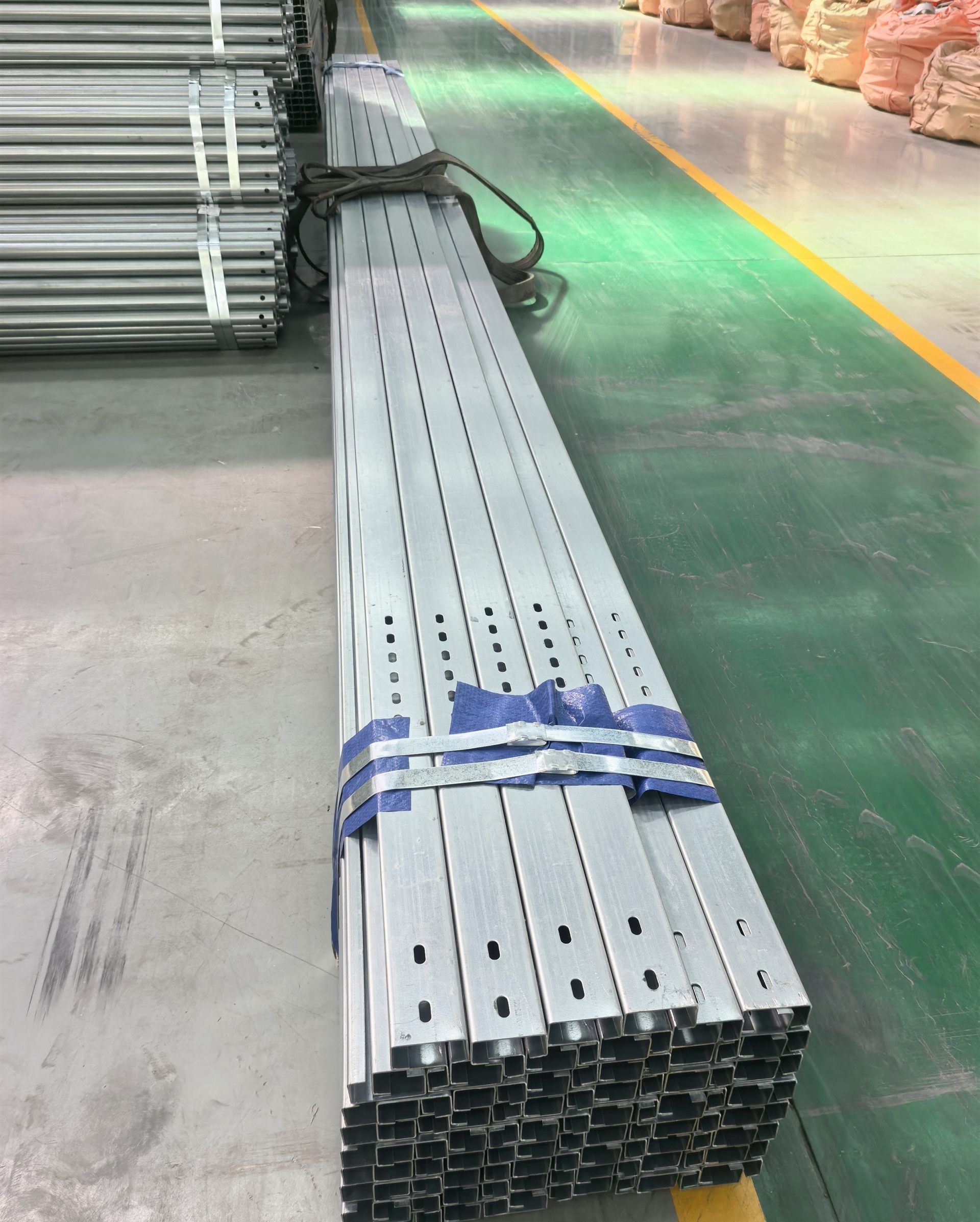
Export packaging for solar mounting structures exists to keep the steel and aluminum parts intact through weeks of sea freight: no scratched galvanized coating, no loose or missing fasteners, no mixed-up components, and a clear packing list that matches the project BOM. A well-packed racking shipment arrives ready to install; a poorly packed one arrives with rust spots, chipped HDG surfaces, and clamps or bolts that cannot be matched to the drawing. This guide explains how ground-mount, carport, tracker and rooftop structures are prepared for ocean freight, what protection each material needs, and what buyers should check before the container closes.
What sea freight does to racking components
Container voyages expose parts to repeated humidity cycles, condensation (often called container rain), salt-laden air, stacking pressure and vibration. HDG 85 μm steel surfaces can corrode quickly if the coating is chipped and bare metal sits in moisture; aluminum can abrade against steel; and small hardware shifts and mixes among bundles. Packaging is designed to counter each of these risks before the container leaves the factory.
Packaging by component type
| Component | Packaging method | Purpose |
|---|---|---|
| Long HDG steel posts, beams, purlins | Bundled by length, edge-protected, strapped on pallets | Prevent coating scratches during lifting and stacking |
| Aluminum rails and brackets | Bundled separately, kept apart from bare steel | Avoid dissimilar-metal contact and abrasion marks |
| Clamps, bolts, nuts, washers | Sealed bags or boxes, labeled by part number | Keep SS304/316 hardware traceable and complete |
| Small accessories, grounding parts | Segregated in labeled accessory cartons | Stop parts mixing and shortages on site |
| Moisture protection | Vapor film and desiccant where the route requires it | Limit condensation and salt exposure in transit |
Corrosion protection starts before packing
The structure leaves the factory with a specified coating: hot-dip galvanized Q235B/Q355B steel, 6005-T5 aluminum and SS304/316 fasteners. Packaging protects that finish rather than replacing it. Bundles use edge protectors where members rub against straps or each other; aluminum is separated from uncoated steel; and cut or drilled ends are checked for coating coverage before sealing. Damage that exposes bare steel is the main reason small packing issues turn into field rust.
Accessories and hardware: where shortages happen
- ▸Every clamp and bolt is counted per module and matched to the BOM, not estimated by weight
- ▸Part numbers are printed on each hardware bag or box so the install crew can identify mid clamps, end clamps and rail bolts on site
- ▸Spare fasteners and replacement clips are listed separately in the packing list
- ▸Grounding bonding parts, seals and any special brackets are grouped with the system they belong to
- ▸Heavy steel hardware and light aluminum parts are not mixed in the same unprotected bundle
Container loading and securing
- ▸Long members are loaded first and run the length of the container, with weight spread evenly across the floor
- ▸Bundles are strapped or braced so they cannot shift and rub against each other in transit
- ▸Small cartons fill gaps and are stacked on top of or beside heavier bundles, never crushed under steel
- ▸The loading plan follows volume and weight limits so containers are neither over-packed nor left with unused space
- ▸Each bundle and carton carries a shipping mark that ties back to the project and packing list
Documents that should travel with the shipment
A usable export package includes a packing list that maps every bundle and carton to the project BOM: member type, length, quantity, and the hardware included. Mill certificates, galvanizing certificates and installation drawings follow the commercial documents. Buyers can reconcile the list against the PO before loading, and the receiving team can check the container against the same list on arrival.
What to check before and after shipment
- ▸Before loading: confirm bundle counts, hardware labels and accessory cartons against the BOM
- ▸Before closing: verify moisture protection is in place and bundles cannot shift
- ▸On arrival: check for water stains, broken straps, dented bundles or open cartons
- ▸On arrival: inspect touched coating for chips or rust and report any bare steel areas promptly
- ▸On arrival: reconcile missing or extra parts against the packing list before installation begins
Why packaging is part of the 25-year delivery
A structure rated for a 25-year design life, 60 m/s wind, 1.5 kN/m² snow and −40°C to +85°C depends on arriving with its coating and hardware intact. Packaging is the first leg of that protection: it keeps the engineered parts usable from factory floor to installation site. Suppliers that count hardware, label parts and document bundles reduce the most common export freight disputes: shortages, damaged coating and mismatched components.
Export packaging from the supplier
HAOQIN prepares ground-mount, carport, tracker and rooftop structures for export with bundled HDG steel and aluminum members, sealed labeled hardware, accessory segregation and a packing list matched to the project BOM. For a specific route or destination climate, ask which moisture protection and loading arrangement are planned for your shipment.
Need a structure engineered for your site?
Send us your project details for load calculations, configuration and pricing.